Addition Wheel 20 Embroidery Design Review
As an experienced embroidery designer, I’m always on the lookout for versatile machine embroidery designs that can elevate a brand’s visual identity while maintaining practicality. The Addition Wheel 20 is one such design that caught my attention for its bright and cheery aesthetic, making it ideal for educational or playful branding in small business settings. In this review, I’ll walk you through how this design performs in real-world applications like branded patches, custom apparel, tote bags, and more—offering insights from both a creative and commercial perspective.
First Impressions: A Playful Yet Professional Vibe
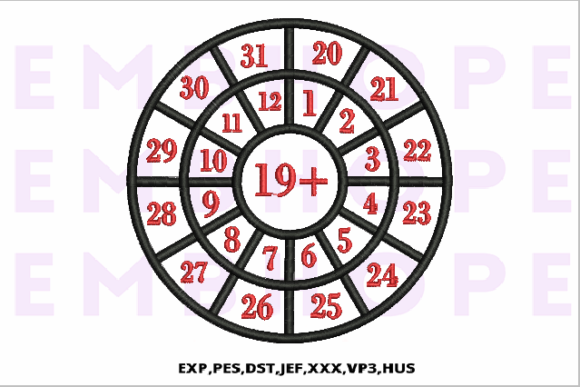
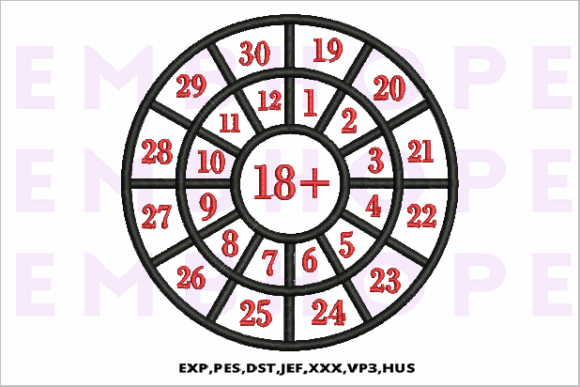
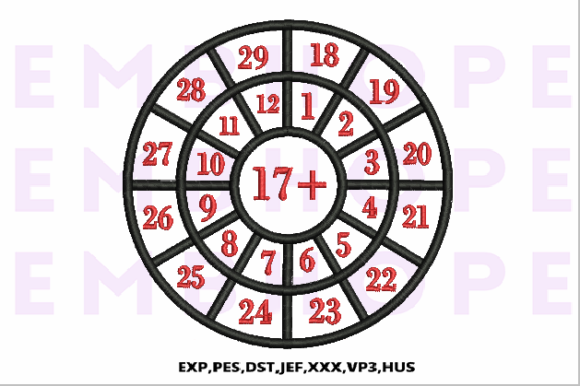
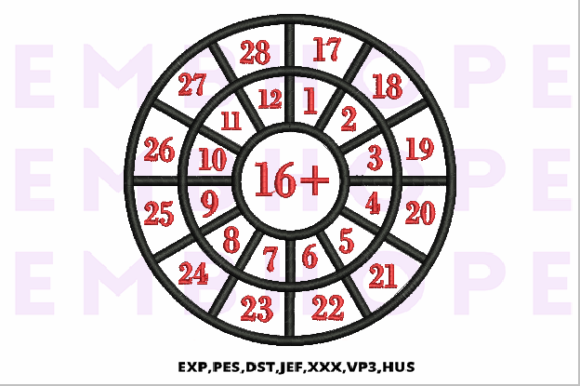
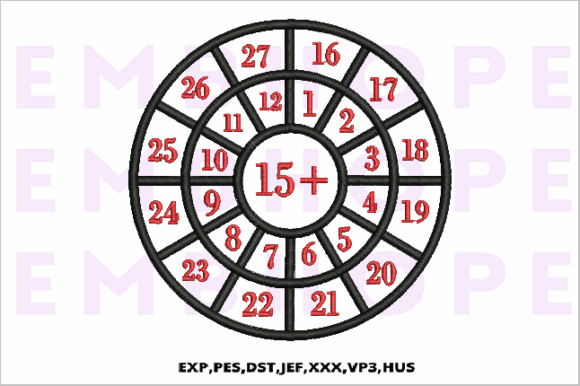
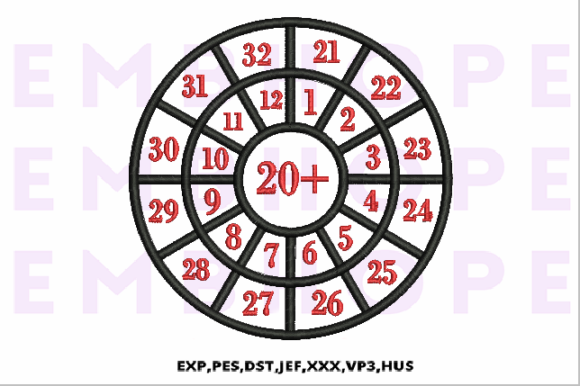
The name Addition Wheel 20 immediately suggests a math-themed design with a fun twist. Upon opening the embroidery file, I found a stylized wheel layout filled with addition problems, all presented in a colorful, engaging format. While clearly inspired by school environments, this design doesn’t feel overly childish or limited to educational use alone. Instead, it exudes a playful professionalism that could work well for brands targeting families, kids, or even those looking to inject a bit of creativity into their merchandise without sacrificing quality.
The overall look is modern and clean, with clear lines and balanced spacing. It has a handmade charm that digital embroidery often lacks, which is a big plus for small businesses aiming to communicate authenticity and care in their products.
Real Business Use: Where Addition Wheel 20 Shines
When considering how to integrate this design into branded items, several applications stand out:
- Embroidered Patches: The design works beautifully as an embroidered patch for backpacks, jackets, or promotional gifts. Its circular shape makes it easy to hoop and stitch, especially when placed on flat surfaces.
- Staff Uniforms: As a subtle chest logo accent or sleeve detail, the Addition Wheel 20 adds character without overwhelming the garment. It's particularly effective on light-colored uniforms where color contrast is strong.
- Apron Embroidery: For boutique cafés or bakeries, using this design on aprons or staff wear introduces a friendly, educational element that aligns with family-friendly values.
- Cap Embroidery: Placed discreetly on the side of a cap or as a back-of-cap design, the Addition Wheel 20 becomes a conversation starter while keeping the front of the cap clean and professional.
- Tote Bag Design: This design adds a pop of personality to reusable tote bags. Whether used as a central motif or paired with other design assets, it stands out and invites engagement from customers.
- Event Merchandise: Schools, summer camps, or educational workshops can benefit from using this design on event-specific gear like t-shirts, badges, or lanyards to promote learning in a fun way.
- Product Packaging Accents: If your brand offers educational toys, stationery, or kid-friendly snacks, consider adding the Addition Wheel 20 as a decorative accent on packaging labels or gift tags.
- Boutique Merchandise: Handmade shops and Etsy sellers can incorporate this design into product labels or tags to emphasize craftsmanship and theme-based branding.
Brand Identity Boost
The Addition Wheel 20 can be a powerful tool for reinforcing brand identity. Its combination of structure (the wheel format) and playfulness (math elements) allows it to represent a variety of brand personalities—from a local tutoring center to a creative café that caters to young learners. When repeated across different small business merch items, it creates a cohesive and recognizable visual language that builds customer trust and familiarity over time.
Design Limitations to Consider
While the Addition Wheel 20 is a versatile digital embroidery file, there are certain limitations and considerations to keep in mind before production:
- Small Patch Sizes: The intricate details may become less legible at smaller sizes. Always test the design at the intended scale to ensure clarity and stitch integrity.
- Cap Fronts: Due to the curvature of caps, placing this design directly on the front might distort some elements. Opt for side placement or curved embroidery techniques if necessary.
- Curved Surfaces: The design is best suited for flat or gently curved areas. On heavily curved surfaces like sleeves or pant legs, the outcome may vary depending on fabric texture and tension.
- Tiny Lettering: If the design includes numbers or text too small for the final application, readability could be compromised. Consider simplifying or enlarging key elements during customization.
- High Stitch Density: Some sections of the design have dense stitching, which may require extra stabilizer to prevent puckering, especially on stretchy or thin fabrics.
- Detailed Outlines: The outer edges of the wheel are precise but can be challenging to maintain sharpness on textured materials. Choose smooth cotton or polyester blends for the best results.
- Dark Uniforms: Thread colors may appear muted on dark backgrounds. Evaluate thread color choices carefully and consider reversing the design or using metallic threads for better visibility.
- Frequent Washing: Since the design is likely to be used on workwear or reusable totes, ensure that the thread types and stabilizers used are durable enough to withstand regular laundering.
Practical Designer Notes
Before using the Addition Wheel 20 in a commercial project, here are some essential steps every embroidery shop or product designer should follow:
- Test in Black and White: Understand how the design will translate in monochrome for black garments or minimalist branding needs.
- Check Small Patch Size: Verify if the design maintains its clarity and impact when reduced for patch use on hats or small accessories.
- Review Thread Color Contrast: Make sure the chosen thread colors complement your brand palette and stand out on the target fabric.
- Inspect Spacing: Look closely at the alignment and spacing between elements to avoid potential mis-stitching or uneven appearance.
- Confirm Hoop Size: The required hoop size isn’t specified, so always check the file’s dimensions and adjust accordingly for your machine setup.
- Test on Real Fabric: Do a trial run on the actual material to assess how the stitch density affects the finished product and whether any adjustments are needed.
- Use Proper Stabilizer: Especially for high-density areas, tear-away or cut-away stabilizers may be necessary to prevent distortion.
- Create a Printable Mockup: Show clients how the design looks on various items using a printable mockup to secure approval before large-scale production.
- Compare With Other Design Assets: Ensure the Addition Wheel 20 aligns visually with your existing logos or patterns for consistent brand identity.
- Confirm Commercial Licensing: Always verify that the design comes with appropriate commercial rights before using it for saleable products.
Visual Consistency and Brand Value
One of the standout features of the Addition Wheel 20 is its ability to maintain visual consistency across multiple formats. Whether embroidered on a cap, stitched onto a tote bag, or printed as part of a handmade product, the design retains its core identity and appeal. This makes it a valuable asset for building a unified brand presence, especially for schools, educational startups, or family-oriented businesses.
Its structured yet whimsical nature also enhances product value. Customers often associate thoughtful design with quality, and using something like the Addition Wheel 20 signals a brand that pays attention to detail and invests in meaningful aesthetics. This can lead to higher buyer engagement and stronger emotional connections with your audience.
Final Thoughts for Merch Creators
The Addition Wheel 20 is a standout machine embroidery design that bridges the gap between functionality and visual appeal. It brings a sense of joy and intellectual curiosity to any custom apparel or branded merchandise project, making it suitable for a wide range of small businesses and creative studios.
However, like any commercial embroidery design, it requires careful evaluation and testing before being applied to mass-produced items. Pay close attention to fabric type, thread selection, and placement to maximize its effectiveness and durability. When done right, it can significantly enhance your brand recognition, support event merch strategies, and even serve as a unique selling point for Etsy branding or craft business assets.
If you're working on a project that needs a touch of education-themed flair, the Addition Wheel 20 is worth considering. Just make sure to tailor it to your specific use case and always confirm licensing terms to stay compliant with your business practices.