Addition Wheel 16: A Cheerful Embroidery Design for Educational Projects
As an embroidery designer with years of experience in creating both handmade and commercial products, I’m always on the lookout for designs that not only look great but also function well across a range of materials and applications. Addition Wheel 16, from Creative Fabrica, caught my eye as a potential addition to my design library — especially for school-themed or educational projects. After testing it out on several real-world items, I wanted to share my honest evaluation to help fellow crafters and entrepreneurs decide if this digital embroidery file is worth using.
First Impressions and Visual Appeal
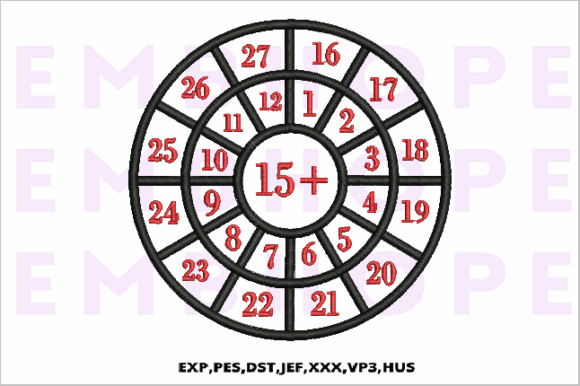
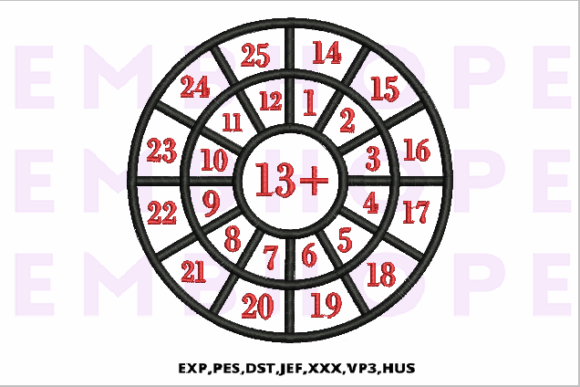
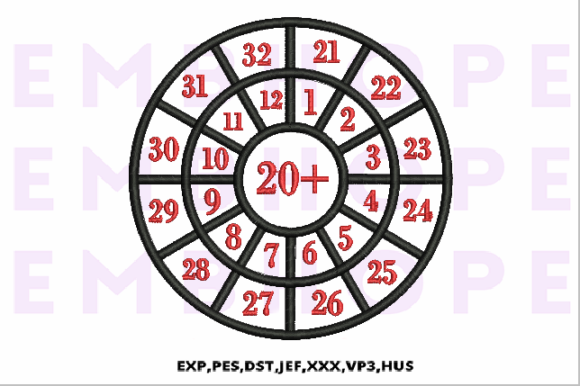
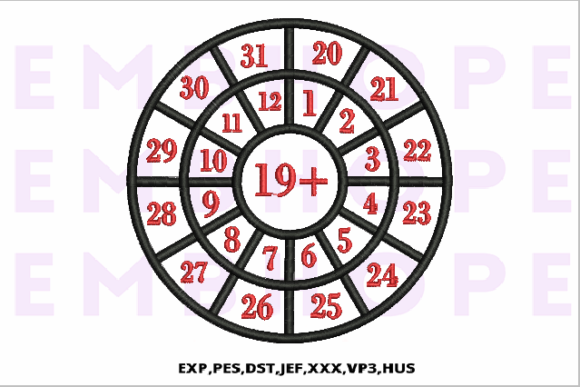
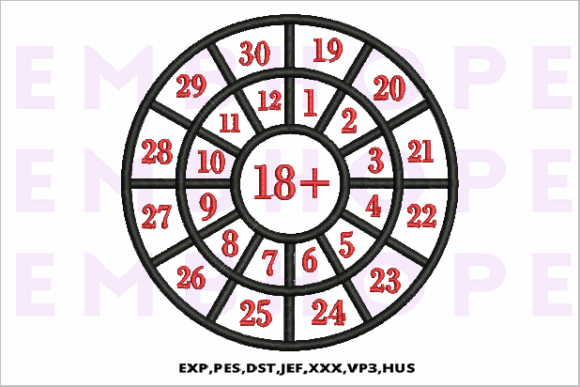
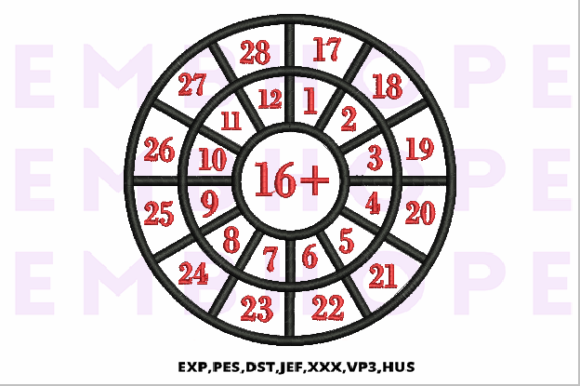
The first thing that stands out about Addition Wheel 16 is its bright and cheery aesthetic. Designed with a playful, colorful layout, it feels like something you’d want to stitch onto classroom supplies or educational merchandise. The visual mood is clearly aimed at children, making it ideal for personalized gifts, custom apparel, or even nursery decor. It has a structured yet whimsical feel, combining geometric shapes with simple math elements in a way that’s both decorative and purposeful.
From a technical standpoint, the design offers a good balance between detail and simplicity. While it’s not overly intricate, it does include layered elements such as outlines and fill areas that give it dimension when stitched. This makes it suitable for beginners and experienced embroiderers alike. The stitching personality is clean and bold, which means it holds up well on different fabric types and hoop sizes without losing clarity.
What Kind of Project Does It Fit?
Addition Wheel 16 naturally fits into educational and classroom-related embroidery projects. Think tote bags for teachers, sweatshirts for back-to-school collections, aprons for student appreciation days, or embroidered patches for learning kits. Its structure allows for easy placement and scaling, so it can work equally well on large surfaces like pillow covers or smaller ones like caps or kitchen towels.
Performance in Real Embroidery Projects
I tested Addition Wheel 16 on a variety of common embroidery substrates to see how it performed in real-life conditions. Here’s what I found:
- Tote Bags: The design looked fantastic on a cotton-linen blend tote. The colors were vibrant, and the layout was clear enough to read at a glance. I recommend using a lightweight stabilizer underneath to prevent puckering around the curved edges.
- Sweatshirt Embroidery: On a soft fleece hoodie, the stitch density held up well. However, because of the fabric’s stretchiness, I had to be careful with tension settings. The design didn’t distort much, but some minor adjustments improved the final outcome.
- Aprons & Pillow Covers: These are perfect for showcasing the design’s full size. The bright thread colors really pop against white or light-colored backgrounds, adding a cheerful touch to everyday items.
- Baby Blankets and Handmade Gifts: For these more delicate items, the design worked beautifully when scaled down slightly. It added a fun, educational element without overwhelming the piece. Just make sure to use a fine needle and high-quality threads to maintain softness.
- Embroidered Patches: When digitized for patch format, the design retained its charm and readability. It’s an excellent option for educational kits or STEM-themed accessories.
Challenges and Considerations
While Addition Wheel 16 is versatile, there are a few things to consider before using it in production:
- Small Hoop Sizes: If you plan to scale the design down for small items like caps or patches, keep an eye on the tiny lettering. Some details may become harder to stitch clearly unless you adjust the stitch type or increase contrast.
- Dark Fabrics: The design works best on lighter fabrics. On dark materials, the color contrast might be less effective unless you choose thread colors carefully. Always test on scrap fabric before committing to a finished product.
- Stretchy or Textured Fabrics: These require extra attention to tension and backing. Without proper stabilizer, the wheels could lose their shape or become distorted after washing.
- Dense Stitch Areas: The fill stitches in the center of the wheel are relatively dense. Be mindful of how they interact with your machine’s power and speed, especially if working on thinner or heat-sensitive materials.
Enhancing Product Value and Brand Consistency
One of the strengths of Addition Wheel 16 is its ability to elevate the perceived value of a product. Whether you’re selling custom apparel or handmade gifts, this design adds a sense of creativity and intentionality. For Etsy sellers and boutique owners, it can serve as a unique feature in listings focused on education, play-based learning, or kid-friendly décor.
Using this machine embroidery design consistently across multiple items (like classroom sets of pillow covers or matching aprons) helps build brand recognition. The cheerful style aligns well with themes of growth, learning, and positivity — all strong emotional triggers for parents and educators looking for meaningful, functional items.
Customer Engagement and Giftability
Products featuring Addition Wheel 16 have strong gift appeal, especially for young learners or those entering a new academic phase. As a personalized gift, it can be paired with names or dates to create a lasting keepsake. In classrooms or educational environments, it fosters engagement by subtly encouraging curiosity and interaction with numbers.
For digital product sellers, including this design in printable mockups or listing templates can showcase your capabilities in offering educational-themed embroidery assets. It gives customers confidence that your design assets are not just visually appealing but also practical and relevant.
Photography and Presentation Tips
When photographing finished products with Addition Wheel 16, lighting plays a big role. The colors are bold, but under flat lighting, they might appear dull. Use natural light or a softbox setup to highlight the vibrancy of the design. Also, positioning the design at the center of the item (like a tote bag or sweatshirt) ensures it becomes the focal point.
Because of its educational theme, pairing the design with props like books, pencils, or other learning tools can enhance the storytelling aspect of your photos. This is especially helpful for Etsy sellers aiming to boost buyer trust and visualize the product’s use case.
Practical Embroidery Notes for Success
Before using Addition Wheel 16 in any project, whether handmade or commercial, I suggest the following steps:
- Test on Scrap Fabric: Always do a trial run, especially if you're planning to scale the design or change thread colors.
- Check Thread Color Contrast: If your chosen fabric is dark or textured, experiment with brighter thread combinations to ensure visibility.
- Review Stitch Density: Pay attention to how the fill stitches behave on your specific machine and fabric. Adjust if needed to avoid puckering or distortion.
- Confirm Hoop Size: Depending on your digitizing software, the original hoop size might need adjustment for optimal results.
- Use Proper Stabilizer: Especially important for stretchy or thin materials. Try tear-away or cut-away stabilizers to maintain the design's integrity.
- Inspect Small Details: After stitching, zoom in on the design to check for skipped stitches or uneven spacing in the lettering or lines.
- Verify Licensing: Always review the Creative Fabrica product page for licensing terms before using the design in commercial products.
Final Thoughts
Addition Wheel 16 is a charming and versatile embroidery file that brings a fresh twist to educational-themed crafts and commercial products. It’s not just another design; it’s a tool that encourages learning while still being aesthetically pleasing. As an embroidery designer, I appreciate how it maintains clarity and character across various scales and applications.
If you're an Etsy seller, a handmade shop owner, or someone who creates custom apparel for schools and nurseries, this design could add a valuable touch to your offerings. It’s particularly suited for items that need frequent washing, like baby blankets or aprons, as long as you use quality threads and stabilizers to ensure durability.
Overall, Addition Wheel 16 is a solid choice for anyone looking to incorporate a bit of fun and functionality into their handmade product lineup. Just remember to adapt the design to your materials and always verify file details and licensing before moving into production. With the right approach, this design can become a favorite among your customers and a standout in your portfolio.