Science Chemistry Ring Embroidery Review
As an experienced embroidery designer and product reviewer, I often find myself evaluating designs not just for their visual appeal but also for how they perform in real-world applications. The Science Chemistry Ring caught my attention with its thematic blend of atomic structures and scientific motifs. Let’s dive into how this design holds up when applied to actual projects.
A First Glance at the Design
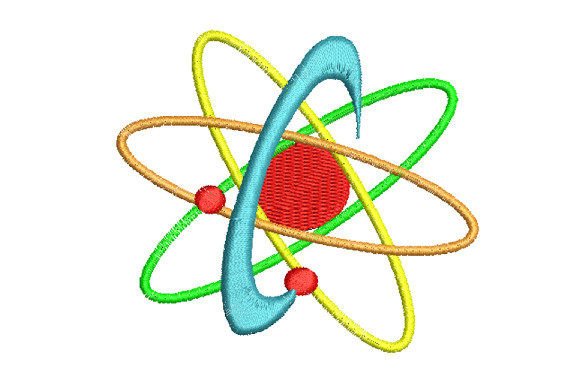
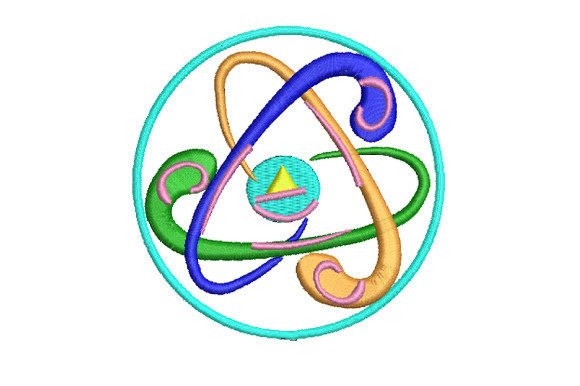
The Science Chemistry Ring immediately evokes a sense of curiosity and academic pride. Its layout features a stylized atomic wheel encased in a circular border, which gives it a balanced, symmetrical feel. The theme is clearly science-focused, leaning into both chemistry and physics with subtle details that suggest experimentation and discovery.
This isn’t a minimalist design by any means—it carries enough detail to make a statement without being overwhelming. The central atom, with its orbitals and nucleus, is the focal point, while smaller chemical symbols or elements are subtly integrated around the ring. It has a modern yet classic vibe that could work well on both casual and more formal items.
I see this design fitting naturally into school-related embroidery projects—think team logos, classroom decorations, or branded merchandise for science departments. It also feels like a strong candidate for personalized gifts, especially for students or professionals in STEM fields.
Custom Apparel and Sweatshirts
On a sweatshirt or custom apparel piece, the Science Chemistry Ring brings a bold identity. Its structured layout ensures it remains legible even from a distance, making it ideal for team uniforms or promotional wear. The stitch density is likely sufficient for a medium-weight fabric, though I’d recommend testing it on a sample first to ensure it doesn’t pucker or distort.
Tote Bags and Aprons
For tote bags or aprons used in classrooms or labs, this design adds both personality and purpose. It can serve as a functional logo or emblem for a science club, school lab, or educational workshop. On cotton canvas or linen blends, the details will hold up well, especially if you use a good stabilizer beneath the fabric.
Patches and Caps
Embroidered patches using this design would be great for badges or accessories like caps and hats. However, because of the circular shape and potential complexity of the inner details, I’d caution against using it on very small patch hoops unless you’re prepared to simplify the design or scale it down significantly.
Home Decor and Baby Items
While the design is science-themed, it can still work in home decor, such as pillow covers or tea towels, especially in a modern nursery or college dorm setting. For baby items, though, the intricate details might not be necessary, and a simpler version of the ring could be more appropriate.
Digital Mockups and Commercial Projects
If you're an Etsy seller or run a craft business, the Science Chemistry Ring could enhance your digital mockups and finished products alike. As an embroidery file, it offers flexibility for both personal and commercial use, depending on the licensing included (which should be verified before selling).
In terms of branding, this design can help establish a professional or educational tone. Whether you're creating a line of science-themed handmade products or designing a boutique collection for a local shop, the consistent look and feel of the atomic wheel can reinforce your brand's identity.
Where to Use With Caution
Despite its versatility, there are certain situations where the Science Chemistry Ring might not perform optimally:
- Small Hoop Sizes: The design includes several layers and details that may become lost or distorted when scaled down too much.
- Textured Fabrics: If stitching on denim or twill, the texture might affect the clarity of the inner patterns. A lighter-weight cotton blend could be better suited for showcasing all the design elements.
- Thin or Stretchy Fabrics: Delicate materials like stretchy knits or silk may struggle under the weight of dense stitches. In these cases, consider reducing stitch density or using a backing stabilizer.
- Dark Backgrounds: The thread colors provided may not stand out well on darker fabrics. Always check color contrast before finalizing a project.
- Curved Surfaces: While possible, stitching this design on curved surfaces like caps or mugs requires careful planning. Distortion can occur if not properly adjusted during digitization.
- Frequent Washing: Since this design includes multiple layers and possibly metallic threads, frequent washing could cause fading or loosening. Recommend using high-quality polyester threads for longevity.
Design Impact on Visual Appeal and Branding
Visually, the Science Chemistry Ring stands out with its clear structure and thematic coherence. It’s a design that communicates professionalism and creativity simultaneously, making it suitable for both personalized gifts and commercial embroidery projects.
Stitching clarity is key here, especially for those aiming to sell finished products. A clean execution can elevate the perceived value of an item. When done right, customers may perceive it as a premium design, enhancing buyer engagement and repeat purchases.
From a branding perspective, this design contributes to a cohesive look across various items. For schools or small businesses focusing on STEM education, having a consistent visual motif like the atomic wheel can strengthen recognition and trust among clients or students.
Designer Tips for Optimal Results
Before committing to a full production run or personal project, I always recommend the following steps:
- Test on Scrap Fabric: Try the design on a scrap piece of the same material you plan to use. This helps identify issues with fabric behavior or stitch tension early on.
- Check Thread Color Contrast: Especially important if using dark or light-colored bases. You don’t want your design to disappear after stitching.
- Review Stitch Density: Dense areas may require extra support with stabilizers to avoid puckering or distortion.
- Confirm Hoop Size: If you're unsure about the recommended hoop size, test different sizes to see how the design scales and maintains integrity.
- Inspect Small Details: Zoom in on the design preview to ensure all elements translate well to the embroidery format.
- Use Black and White Mockups: These can help you visualize the design on various backgrounds and catch potential visibility issues.
- Compare Light and Dark Fabrics: See how the design looks on contrasting bases to determine its best application.
- Use Proper Stabilizer: Depending on the fabric, a tear-away or cut-away stabilizer may be necessary for optimal results.
- Verify Licensing: If you plan to resell the finished item or offer it as a digital embroidery file, confirm the license allows for commercial use.
Final Thoughts on Practicality and Presentation
The Science Chemistry Ring is a versatile and thematically rich embroidery design that works best when applied thoughtfully. It’s not just about how it looks digitally—it’s about how it behaves when stitched onto fabric, how it responds to different materials and machines, and how it ultimately enhances the product it adorns.
Whether you're an embroidery designer looking to expand your portfolio or an Etsy seller trying to create unique, recognizable products, this design offers a solid foundation. Just remember to adapt based on your specific needs and materials, and always test before going into production.
With the right approach, the Science Chemistry Ring can add a meaningful touch to school-related items, handmade gifts, and even commercial embroidery projects. It’s a thoughtful blend of form and function, and one that deserves a place in your design toolkit—if not outright in your next project.