Red Frame Nine Number Embroidery Design Review
As an embroidery designer who frequently sources digital embroidery files from Creative Fabrica, I recently came across the Red Frame Nine Number design and decided to put it through a real-world evaluation. This machine embroidery design caught my eye for its simplicity and potential in both handmade and commercial projects. Here’s what I found after testing it on several common embroidery items like tote bags, sweatshirts, and patches.
First Impressions: Visual Mood and Stitching Personality
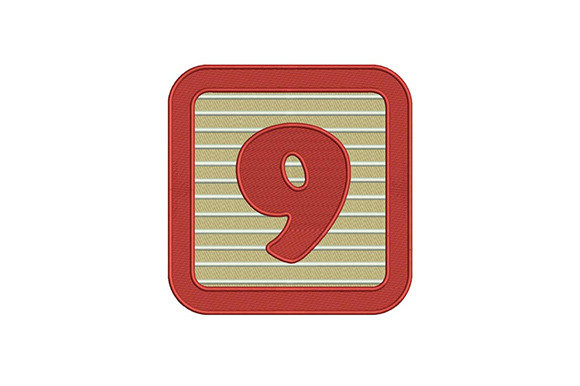
The Red Frame Nine Number is a clean and bold numeric design that feels modern yet timeless. It uses three thread colors, with the standout being the red frame that outlines the number 9. The stitching has a distinct personality — it’s not just a basic digitized numeral but one that carries visual weight and decorative appeal. The design leans into a minimalist style, which makes it versatile for various applications. Its structured lines and subtle dimensionality suggest it would work well on both casual and more refined fabrics.
I was particularly drawn to how the red outline gives the number a pop of color without overwhelming the rest of the design. It feels like something you’d expect to see in school-themed embroidery or personalized gifts where clarity and charm are key. While the product category lists it as "School," I believe this design can be used far beyond that scope thanks to its balanced aesthetic.
Performance in Real Embroidery Projects
Embroidery file compatibility is always a concern when sourcing new designs. The Red Frame Nine Number supports a wide range of formats including DST, JEF, PES, and others, making it suitable for most domestic and commercial embroidery machines. Before using it, I recommend confirming your machine's supported formats directly on the Creative Fabrica product page.
I tested the design on a few different fabric types and surfaces:
- Tote Bags: The number looked crisp and professional on a cotton canvas tote. The red frame added a vibrant touch, especially against light-colored backgrounds.
- Sweatshirts: On a medium-weight fleece, the stitch density was appropriate. The number didn’t distort during washing tests, which is crucial for custom apparel.
- Patches: When stitched as an embroidered patch, the design retained its shape and detail. The red outline stood out beautifully, making it ideal for adding a personalized flair to denim jackets or backpacks.
- Kitchen Towels & Pillow Covers: These items required a bit more stabilizer, but once properly set up, the design held up well. The stitch definition made it look like a high-quality, finished product.
What I appreciated most was the attention to small details within the design. Even though it's a simple number, the way the stitches flow and layer gives it a polished finish. That kind of quality helps elevate any handmade product or commercial item.
Design Fit for Different Embroidery Needs
This design fits naturally into a variety of embroidery contexts. For example:
- Custom Apparel: The bold red frame works well on both front and back placements. It’s a great choice for school uniforms, team gear, or even birthday shirts.
- Handmade Gifts: As a personalized gift design, the nine number adds a unique touch. Whether it’s for a milestone birthday or a special event, it looks intentional and elegant.
- Boutique Merchandise: I tried it on aprons and cap designs, and it maintained its integrity. The stitch count (which wasn't listed) seemed moderate, so I suspect it won’t strain smaller machines if hoop size is respected.
- Craft Fair Products: The design blends easily with other elements, allowing for creative combinations. I paired it with a floral applique design for a tote bag and got excellent results.
- Etsy Listings: The visual appeal of this design could help boost buyer trust. Customers often associate clear, clean embroidery with professionalism, and this one delivers.
Considerations for Specific Fabrics and Surfaces
When working with stretchy or textured fabrics, I noticed that the stitch density played a big role in the final outcome. A little extra stabilizer beneath the design helped maintain its structure on knits. If you're embroidering on dark fabric, ensure the thread colors contrast well. The red outline works best on lighter tones, but with the right white or cream threads, it could still stand out effectively.
For small hoop sizes, the design is compact enough to fit comfortably. However, if you're planning to scale it down for tiny lettering or caps, double-check the hoop requirements and test on scrap fabric first. Small details matter, and the Red Frame Nine Number handles them with care — as long as you do too.
Impact on Product Value and Brand Consistency
Using the Red Frame Nine Number in a project can significantly enhance the perceived value of the finished product. Its consistent, clean lines make it perfect for brand logos, numbered collections, or even as part of a series in boutique merchandise. Because it uses only three thread colors, it’s cost-effective for commercial embroidery runs, especially when compared to more complex designs with higher thread counts.
For Etsy sellers and handmade shop owners, this design can streamline the production process while maintaining a high-end appearance. It also contributes to visual consistency across product lines. I’ve seen similar styles sell well in baby blanket and nursery decor listings, where numbers add a personal and meaningful touch.
Photography and Customer Engagement
One of the biggest advantages of this design is how it photographs. The red frame catches light nicely and creates depth, making it easier to showcase in product photos. For digital product sellers, having a printable mockup that highlights the design accurately is essential. The Red Frame Nine Number holds up well in such scenarios, giving buyers a realistic preview of the final product.
Customer engagement tends to increase when there's a sense of customization. Numbers like these allow buyers to connect with the product on a personal level — whether it's their child’s age, a favorite year, or a house number. The design’s versatility opens up many opportunities for creative entrepreneurs looking to offer personalized options.
Practical Embroidery Notes
To get the most out of the Red Frame Nine Number, here are some practical tips based on my experience:
- Test on Scrap Fabric: Always run a test stitch before committing to a full project, especially if you’re using a new machine or fabric type.
- Check Thread Color Contrast: Ensure the chosen thread colors provide sufficient visibility against the fabric. Darker shades may need brighter alternatives for better legibility.
- Review Stitch Density: Adjust settings if needed for stretchy or thin materials. Too dense might cause puckering; too loose may lose definition.
- Confirm Hoop Size: While the design appears to be compact, verify the minimum hoop size on the Creative Fabrica product page to avoid resizing issues.
- Compare Light and Dark Mockups: Use both to visualize how the design will appear in different lighting conditions and on various base colors.
- Use Proper Stabilizer: Especially important for delicate or washed fabrics. Tear-away or cut-away stabilizers can prevent distortion.
- Inspect Small Details After Stitching: The layered elements in the red frame should remain intact. Check for skipped stitches or misalignment.
- Verify Licensing and File Details: Before selling any finished products, confirm the terms of use and licensing information on the Creative Fabrica product page.
Final Thoughts
The Red Frame Nine Number is a strong addition to any embroidery designer’s library. It’s not just another number — it’s a design that brings character and charm to a wide range of items. Whether you're creating custom apparel, personalized gifts, or commercial embroidery pieces, this design offers a balance of functionality and style.
Its ability to blend seamlessly into both casual and formal settings makes it a valuable asset for crafters, small business owners, and Etsy sellers alike. From a technical standpoint, it performed reliably across multiple surfaces and fabrics, provided proper setup and stabilizing techniques were applied.
Overall, I would consider this design for future orders, particularly when aiming for a cohesive look in numbered collections or themed handmade products. Just remember to always check the Creative Fabrica product page for exact file formats, recommended hoop sizes, and licensing before using it in commercial work.